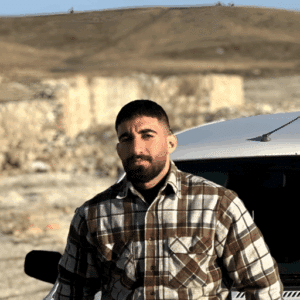
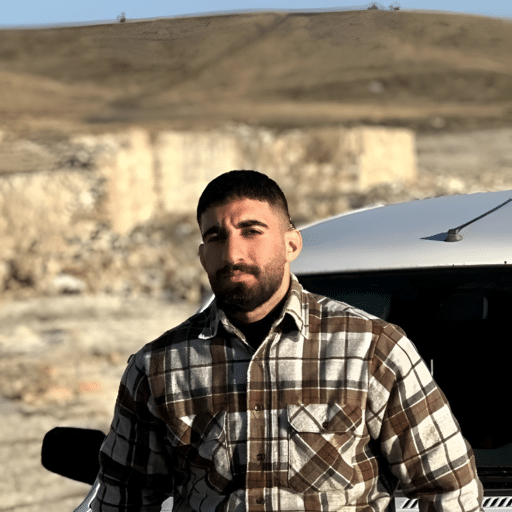
On Sunday, November 2, a car was found parked in an underpass near a sports stadium in the city of Aligudarz, in Lorestan Province, western Iran. Inside lay the body of a 27-year-old man, Omid Sarlak, who had sustained a fatal gunshot wound to the head. Official Iranian media present Omid’s story as a tragedy of unrequited love and disappointment; one that, they say, drove him to take his own life. Police say the investigation is ongoing but assert that there was gunshot residue on his hands and around the wound, and that the pistol that fired the fatal bullet, allegedly known to family and friends to be in Omid’s possession, was found next to his body inside the vehicle. The local police chief, Ali Asadollahi, stated definitively: “This person committed suicide with a handgun.” After all, the evidence appears to point that way—doesn’t it? Not exactly.
Omid’s family and friends do not recognize the narrative of romantic rejection promoted by regime-run media; they are convinced he was murdered. A friend of Omid’s, wrestler Ebrahim Es-haghi, posted a video stating that Omid’s death was suspicious, saying Omid had contacted him shortly before his death and expressed fear for his life. In a video recorded at the site where Omid was found, his father wept, saying, “This is the scene of my child’s murder, where they killed my child,” while pointing out bloodstains in the underpass. He further stated that Omid had been surrounded and killed. The cameraman can be heard saying that the pistol was placed next to the body by the killers to stage a suicide. Reports that Omid’s body was covered in burns, bruises, wounds, and signs of severe torture are prevalent on social media, though official news outlets mention them only in passing, and Omid’s grieving father was frightened into asking the Iranian public to refrain from believing these accounts.
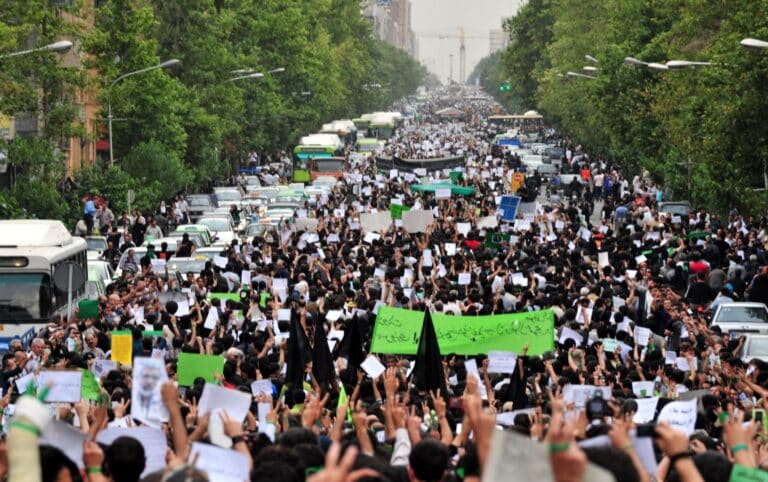
Hours before his death, he posted a lament over the collective humiliation, poverty, and oppression he felt as an Iranian; he called on people to rise up and, as a final act of defiance, he burned a portrait of the Supreme Leader, whom he saw as chiefly responsible for Iran’s desecration. According to senior Iranian cleric Ahmad Khatami, these acts are crimes that justify the death penalty, and the regime often labels “suspicious deaths” as suicides—especially when the deceased was an anti-regime activist, as in the case of political prisoner Sara Tabrizi, found dead in her parents’ home in 2024. Many of Omid’s loved ones reject the veil cast over the circumstances of his death; at his funeral, calls for the death of Khamenei and vows of revenge were prominent. Even if regime-controlled media downplay these cries, they grow louder as time passes and the oppression continues.
Photograph: Ardasyir, Wikimedia Commons