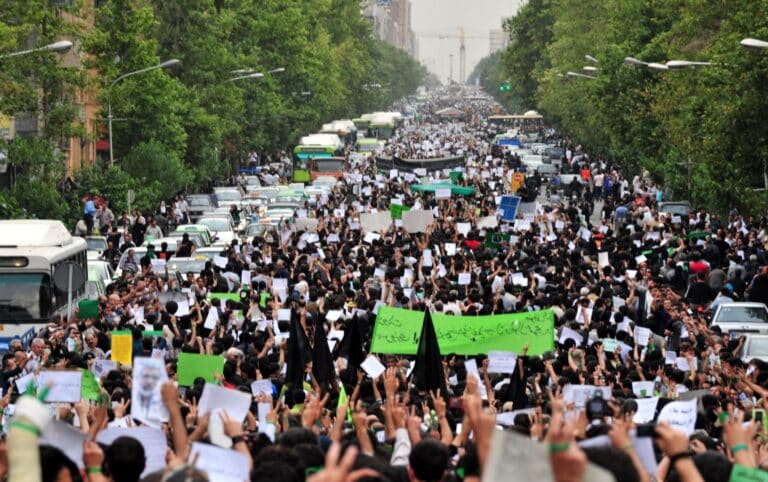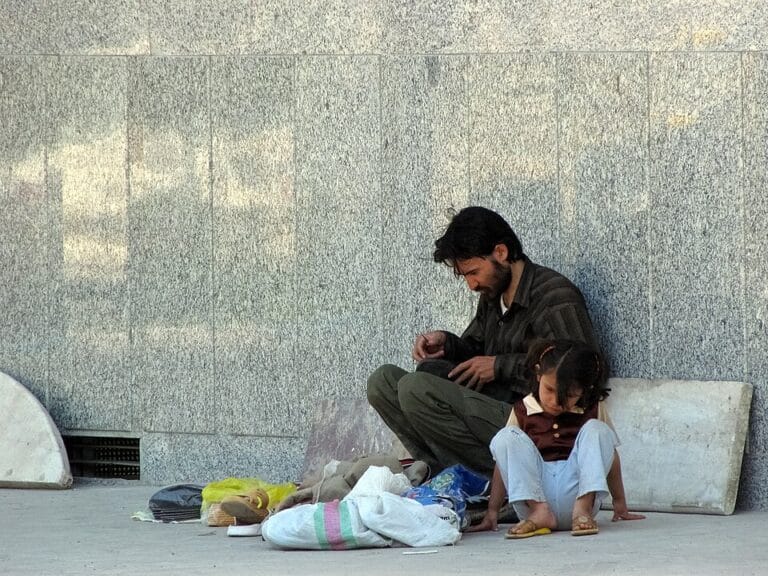
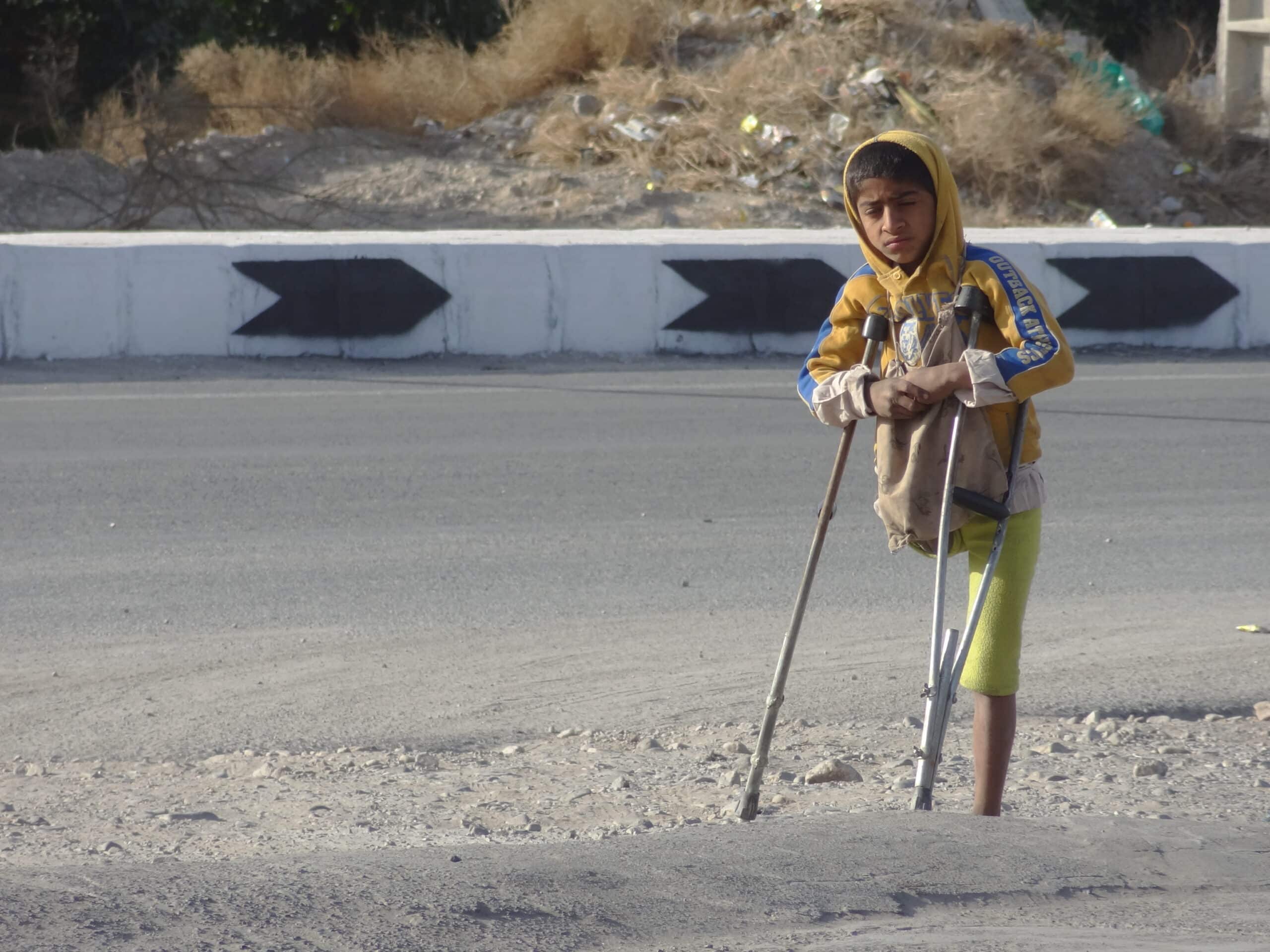
Iran is suffering one of its most severe economic crises, with water shortages, electricity outages, rising poverty, surging inflation and threats to evacuate Tehran. The World Bank’s data show that Iran’s Gross Domestic Product (GDP) per capita contracted by approximately 16% in the last decade. Economic research has found that autocratic countries inflate their GDP data by approximately 35%, therefore, the economy is likely in a much worse state than the reported data show.
While Iran’s growth has been hindered by international sanctions, a factor often cited by the regime to justify its poor economic performance, there are more fundamental obstacles to long-term, inclusive growth. Iran is ranked among the most hostile environments for business in the world.
According to the Heritage foundation’s Economic Freedom Index, Iran is ranked in the 169th place out of 184 countries, signaling an extremely restrictive economy. Specifically, the index shows that Iran’s scores for property rights protection, judicial effectiveness, and government integrity fall far below the global average.
The World Bank’s Doing Business index ranks Iran at the 127th place, further illustrating Iran’s economic challenges. In Iran, starting a business, securing electricity or credit, protecting minority rights, paying taxes, trading across borders, resolving insolvency, and acquiring construction permits are all fraught with obstacles.
One might conjecture that such scores result from bad luck or unintentional mismanagement. However, this is not the case. Iran is ranked 151st out of 180 countries and territories in the Corruption Perceived Index, indicating that Iran is one of the most corrupt countries in the world. A large body of academic research shows that corrupt countries develop complicated bureaucracies to maximize bribe extraction, suggesting that the obstacles to developing the Iranian economy are deliberately mounted.
Iran’s economic and political structure is among the most repressive in the world, with a score of 11/100 on the Global Freedom Index and 12/100 on the Internet Freedom Index. As a tool to strengthen its grip on power, Iran’s regime uses the economy to subjugate its citizens.
Without close ties to the regime, establishing a successful business or even securing basic utilities such as electricity or getting credit is nearly impossible. Overcoming bureaucratic barriers requires paying bribes to grease the wheels of the system. Even if entrepreneurs manage to bypass the hurdles and start a business, they have to keep close relations with the regime as the government controls over 80% of the economy (including both direct and indirect state-owned industries) leaving only 20% to the private sector, further reinforcing the regime’s dominance.
This economic structure ensures that most Iranians are dependent on the regime for their living. Such loyalty is maintained despite the evident failures of the state-controlled sectors.
The regime, through its affiliated entities, is largely responsible for the country’s worsening water crisis. The Islamic Revolutionary Guard Corps (IRGC), via its Khatam al-Anbia Construction Group, oversees large-scale infrastructure projects, including dams, pipelines, and water distribution systems. And so, the water infrastructure is poorly planned, badly maintained and mismanaged by this huge conglomerate, making it a major culprit to the ongoing nationwide water shortages.
Similarly, Tavanir, a company operating under the Ministry of Energy, is in charge of managing, operating, and developing Iran’s power generation, transmission, and distribution systems. The bad planning and mismanagement have led to the nowadays frequent electricity outages across the country.
While Iran’s economic system is structured to preserve regime survival by keeping the population dependent on the state for basic needs, the corruption, inefficiency, and intertwined relationship between the regime and the economy hinder any prospects for long-term growth. In the absence of a genuine process of liberalization that untangles the complex relations between the regime and the economy, and effectually detaches the regime from the economy, there is no hope of a brighter future for the Iranian people.