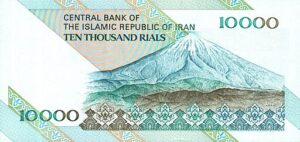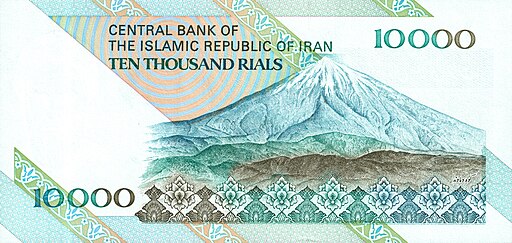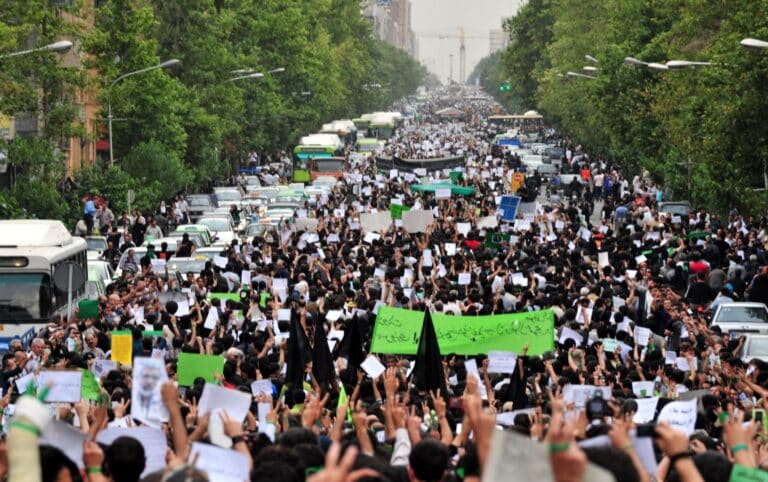

The Iran Reform Front, a coalition of 27 reformist groups, has issued a sweeping call for change in the country’s public affairs – measures that, it says, could open the door to negotiations with the West and ease the economic pressures suffocating the nation. The statement urges a complete halt to uranium enrichment, describing it as essential to averting the return of international sanctions and stabilizing Iran’s currency, which has sunk to record lows. The reformists also demand the release of political prisoners, the strengthening of civilian institutions, and, above all, a sharp curtailment of the Revolutionary Guards’ dominance over the economy and political system. Without limiting the IRGC’s influence, they argue, genuine reform will remain impossible. The appeal has stirred intense debate in Iran but was swiftly condemned by conservatives, who denounced the proposals as a “capitulation to the enemy.”
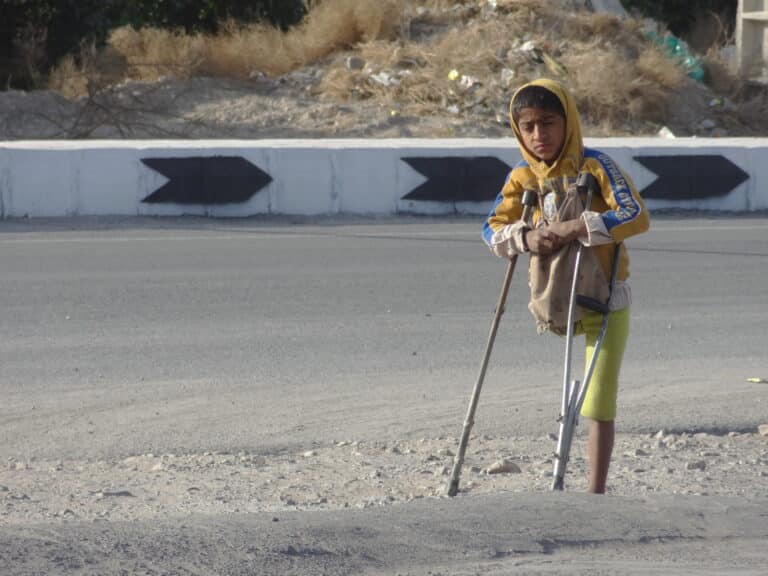
Tragedy in Afghanistan: At least 71 Afghans, among them 17 children, were killed when a bus carrying Afghan refugees collided with a truck and a motorcycle in western Afghanistan before bursting into flames. The vehicle had set off from the Islam Qala border crossing bound for Kabul. According to police in Herat province, the bus was speeding and veered off course. Most of the passengers had been expelled under Iran’s policy of mass deportations, which over the past months has forced hundreds of thousands of Afghans to leave. The tragedy came barely a day after Iran’s interior minister vowed that a further 800,000 would be sent back by March 2026.
This week, a grand state funeral was held in Isfahan for Mahmoud Farshchian, one of Iran’s greatest Persian miniature artists, drawing massive crowds who came to pay their final respects. Farshchian passed away on August 9 in New Jersey and, in accordance with his wishes, was buried near the tomb of the poet Saeb Tabrizi. During the ceremony, the Minister of Culture hailed him as the “sage of artists,” and the president sent official condolences. Farshchian was renowned for reviving the Persian miniature tradition, blending religious motifs, classical poetry, and commissions for sacred shrines.
Amid the ongoing crackdown on artists and cultural figures in Iran, prominent graphic designer Navab Kazalbashi, a former member of the Graphic Designers’ Association board, was imprisoned this week. He was sentenced to four months in Evin Prison after being convicted of “propaganda against the state” for publishing a graphic artwork critical of the regime. Simultaneously with his arrest, authorities blocked his Instagram page, which had served as a central platform for showcasing his work and engaging with the design community.