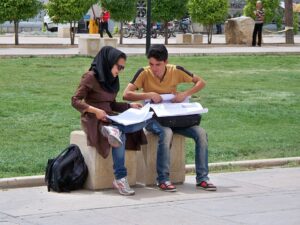
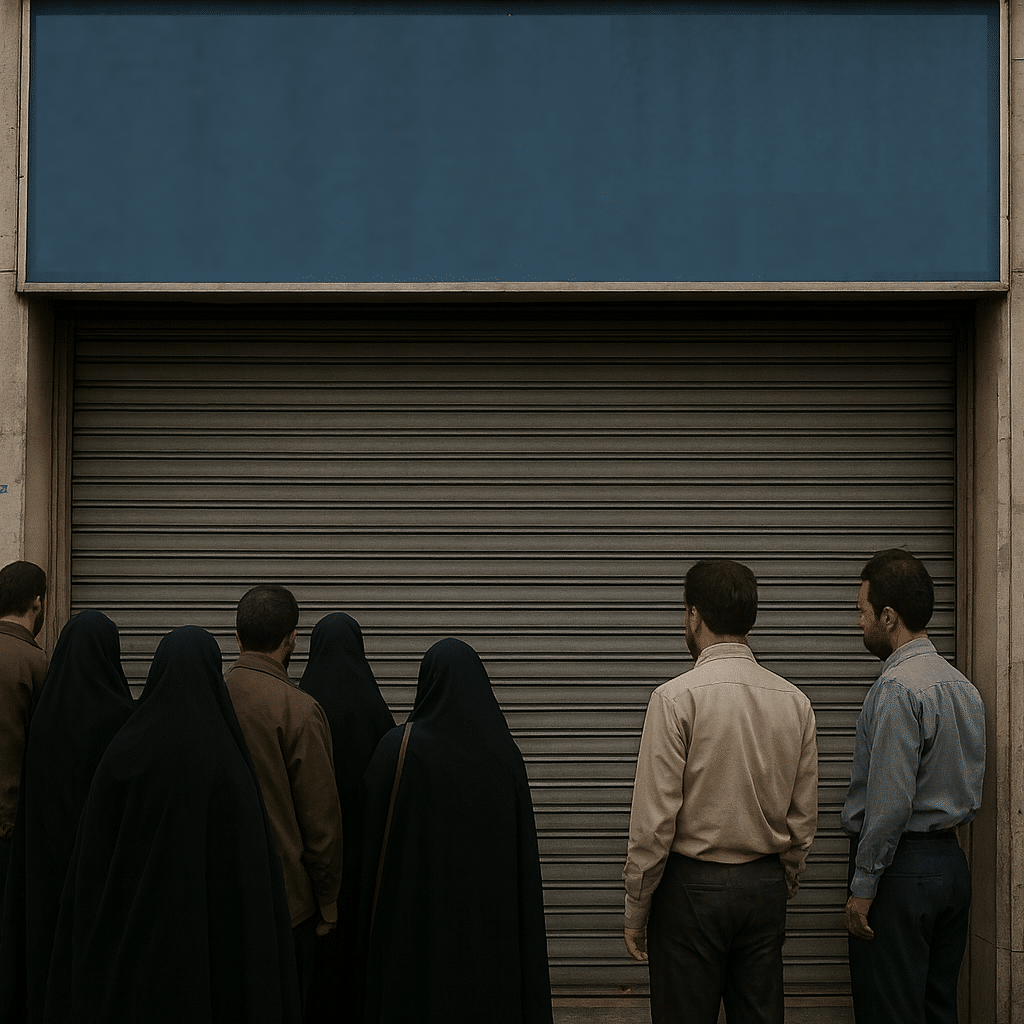
Iran has once again shut down public offices, banks, schools, and universities amid a deadly heatwave, with temperatures exceeding 40 °C, and reaching over 50 °C in southern regions. The closures, now occurring for a third time, aim to reduce electricity consumption and ease pressure on the strained power grid. In Tehran, the governor ordered all government and educational institutions to close due to mounting concerns over outages and system overload. Similar measures have been extended to about half of Iran’s provinces, as the country grapples with persistent blackouts and water shortages.
Ali Larijani, an Iranian politician and former officer in the Islamic Revolutionary Guard Corps, has been officially appointed as the head of Iran’s Supreme National Security Council, the country’s head security body. Larijani previously held this position between 2005 to 2007, speaker of the Majles and also served as a senior adviser to the Supreme Leader, Ayatollah Ali Khamenei. He succeeds Ali Akbar Ahmadian, who had held the post since May 2023. Ahmadian is expected to transition into a new, yet to be determined, deputy role within the government.
A covert Iranian delegation led by nuclear physicist Ali Kalvandi in August 2024 has been revealed. Kalvandi traveled to Russia last year and expressed interest in acquiring radioactive isotopes such as tritium, strontium-90, and nickel-63, materials that experts say could be used to enhance the explosive power of a nuclear warhead. The delegation, composed of individuals affiliated with Iran’s SPND (the Organization of Defensive Innovation and Research), posed as representatives of a civilian engineering consultancy. According to leaked documents cited by the Financial Times, the visit involved discussions with Russian suppliers and inspections of equipment with potential dual-use applications. While there is no confirmation that any materials were procured, the trip raises serious concerns among Western analysts about Iran’s intentions to preserve or advance its nuclear weapons capabilities.
Iranian authorities executed Roozbeh Vadi by hanging after convicting him of spying for Israel. According to the judiciary’s Mizan Online website, Vadi had passed sensitive information about an Iranian nuclear scientist who was assassinated during Israel’s 12-day war in June. The execution followed judicial proceedings and confirmation of the sentence by Iran’s Supreme Court.
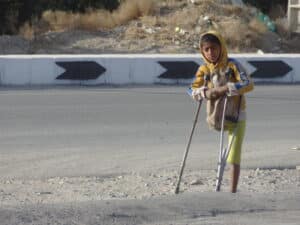
The United Nations has issued a warning about the humanitarian crisis affecting over 1.5 million Afghan nationals who have been expelled from Iran. These mass deportations have exacerbated an already dire situation in Afghanistan, where returnees are now grappling famine, a lack of shelter, and limited access to clean water and medical care. Many face abuse and violence, particularly in the border, where there is no humanitarian infrastructure. The crisis is further deepened by significant cuts in international aid, leaving relief agencies unable to meet the growing needs. International organizations have called the situation a humanitarian flashpoint that demands urgent global attention.