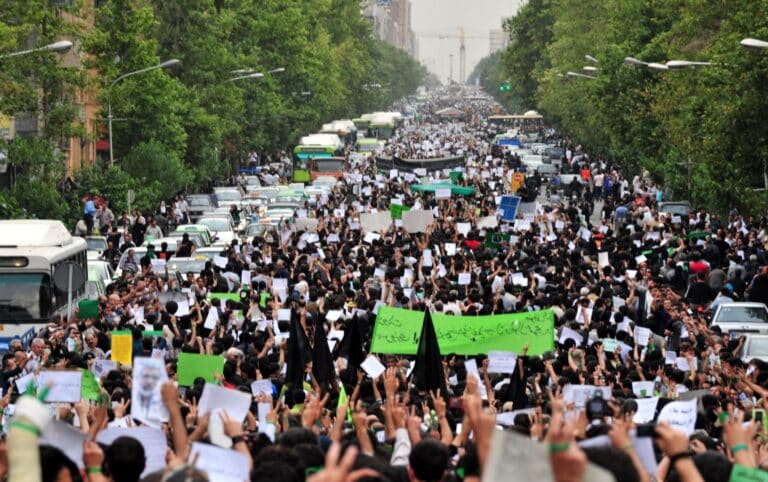
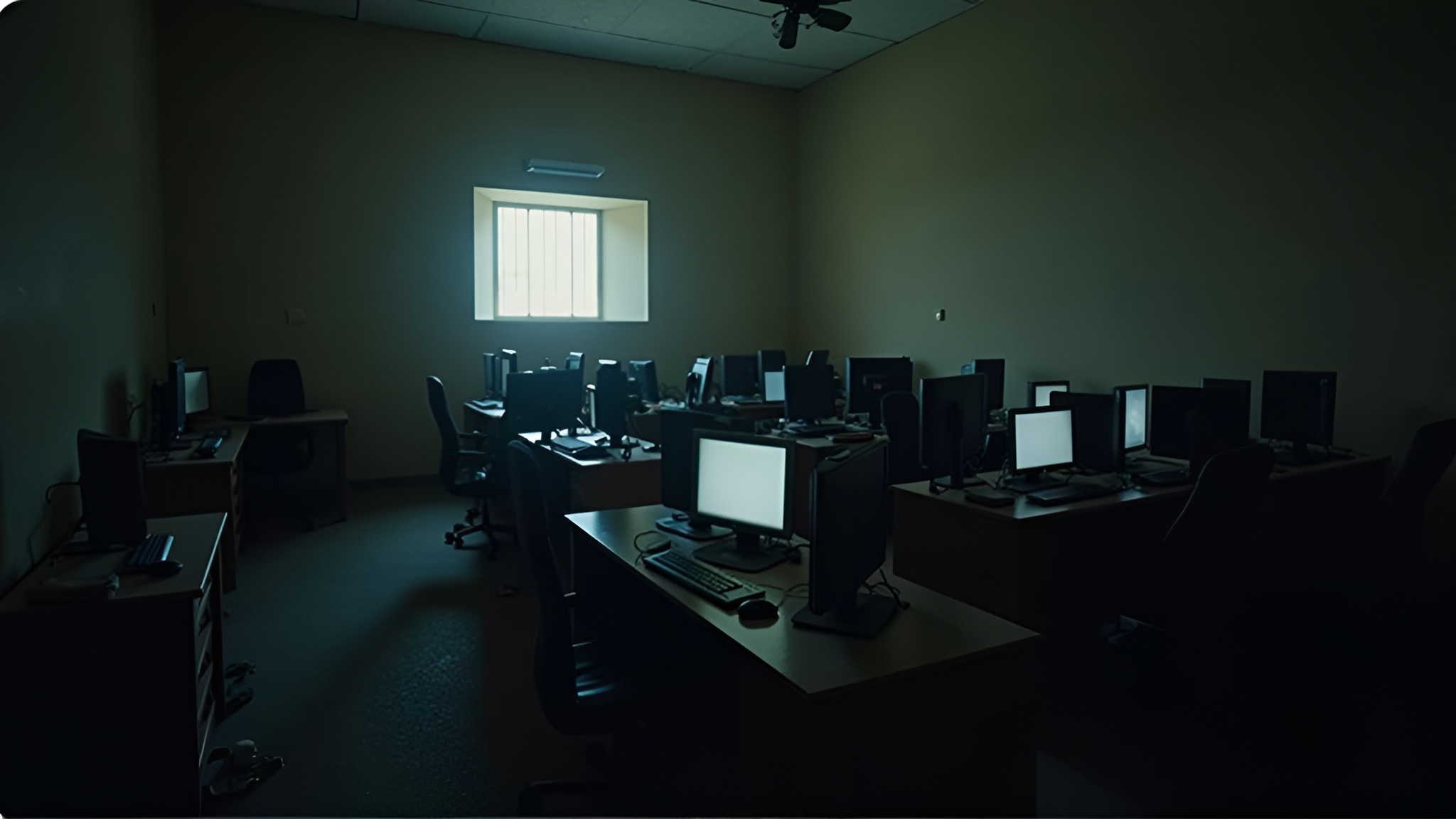
The Iranian Ministry of Communications announced Thursday morning that the government has blocked off internet access across the country, leaving citizens disconnected from the world and each other. The move comes in reaction to growing public dissent in the wake of the Israeli-Iranian conflict.
The move raises questions about what exactly the regime is trying to hide from its own public and from concerned parties around the world.
Accounts obtained by UI in the days that preceded the blackout paint a stark picture about the situation in several Iranian cities, with multiple reports of arrests, kidnappings and public beatings in Teheran, Shiraz, Mashhad, and Isfahan. Some witnesses detailed murder and torture but these reports could not be independently verified.
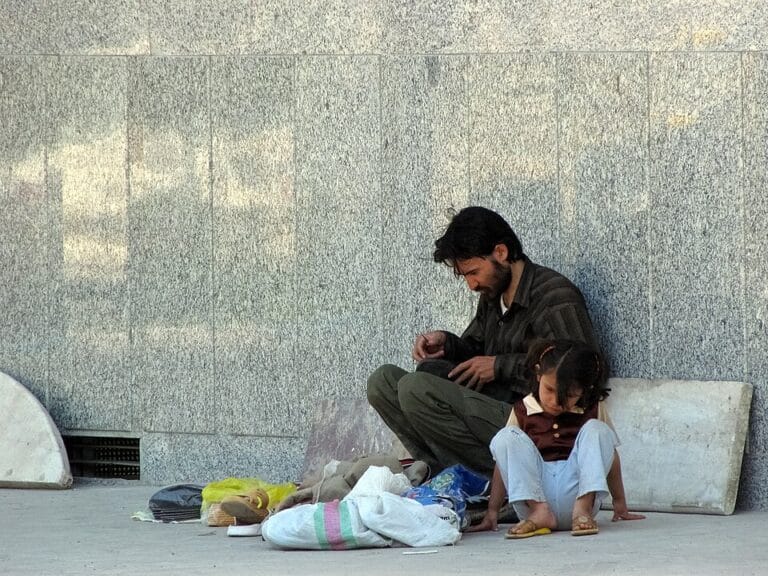
Meanwhile, Iranian citizens are scrambling to find alternative methods of communication in order to learn about the fate of their loved ones. ‘Ali,’ a resident of Mashhad who spoke to UI earlier this week, said that his brother hadn’t been seen in two days, after a neighbor frantically called him after he saw a black SUV in front of his home late at night.
Calls made by the reporter to the Ministry for comment remain unanswered.
This is a developing story.