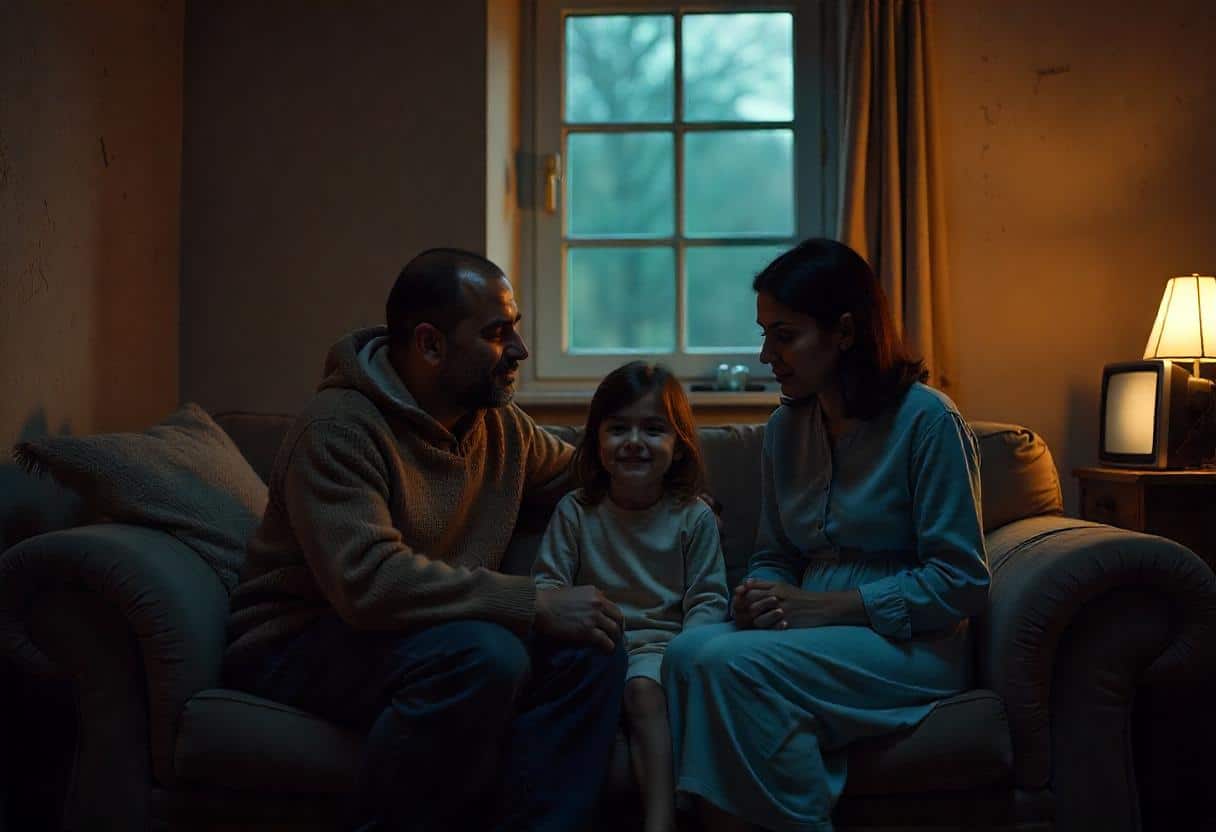
My cousin arrived from Tehran three days ago, in the back of a borrowed van, with her husband and two small children. They brought three bags and the tight, quiet panic of people who have seen too much in too little time. I welcomed them into my home—as any Iranian would do for family in need—but as I write this from my kitchen table at 1 a.m., with the electricity flickering again, I know this situation cannot last.
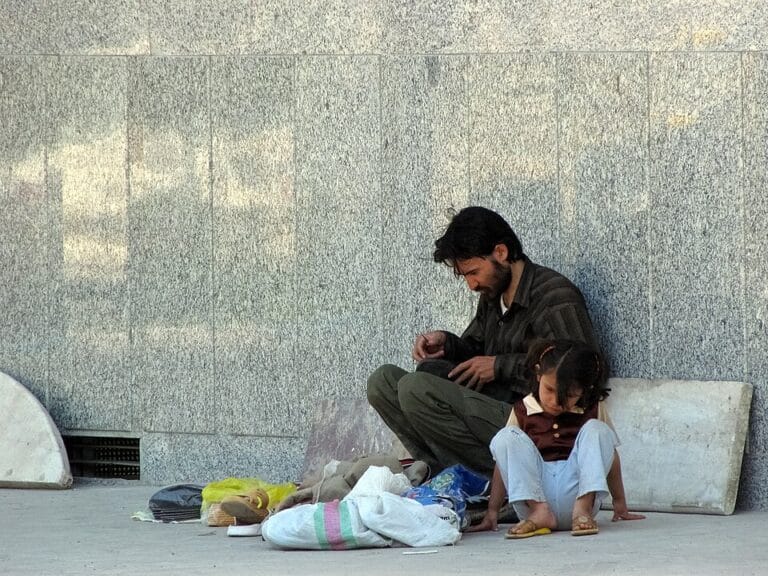
Not because I don’t love them. I do. I’ve known my cousin since we were both girls climbing mulberry trees in Shiraz on summer holidays. But four adults and two children crammed into a small apartment with limited rations, curfews, and the constant threat of violence isn’t sustainable. And I know we are not the only ones. Families across Isfahan, Yazd, and even Mashhad are now hosting others who have fled the capital. Some came with babies. Some came on foot. All came with stories too painful to share in full.
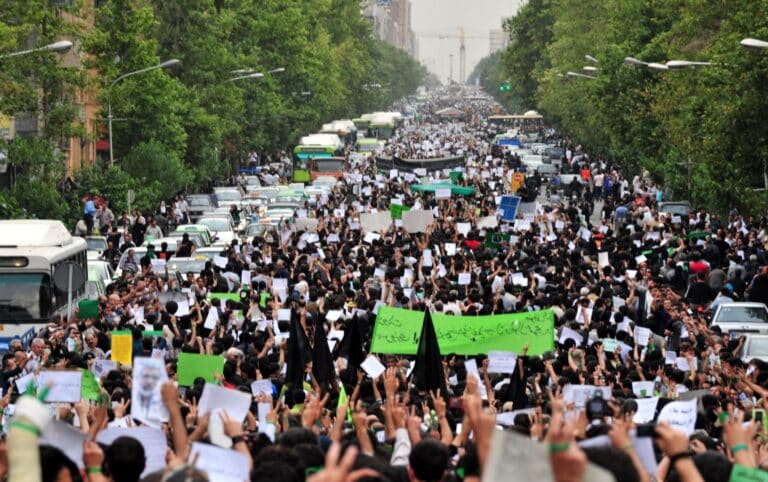
This is not a natural disaster. This is not a foreign invasion. This is the result of a regime that has dragged us into war, crushed dissent, and—perhaps most unforgivable—tried to sever our voices from each other. Earlier this week, when the internet was cut and mobile networks went dark, I felt something deeper than fear: I felt erased. Millions of us did.
They didn’t want us to see what was happening in Tehran. They didn’t want us to share, or organize, or grieve together. They fear our connection more than they fear any foreign missile.
To those in the West who are reading this: we don’t need more sanctions. We’ve lived with them for years, and they’ve starved our people, not our leaders. But we do need you to stop pretending this government can reform itself. It won’t. You can condemn violence and censorship, but that means nothing unless you also support the right of Iranians to demand real, democratic leadership.
My cousin sleeps on the floor in my living room. Her youngest cries in her sleep. I feed them as best I can. But what I really want to give them—and all of us—is a future.
Help us fight for it. Not with bombs. Not with punishments. But with pressure that aims not at the people—but at the men who keep us in the dark.