Iran’s Supreme National Security Council has approved the formation of the new Defense Council, chaired by President Masoud Pezeshkian, and consisting of senior commanders and government ministers. The initiative follows the 12‑day war with Israel and aims to centralize defense planning and coordination. Ali Larijani, currently serving as an advisor to Iran’s Supreme Leader Ali Khamenei, is reportedly being considered for the role of the new secretary of the Supreme National Security Council. The current secretary, Ali Akbar Ahmadian, is expected to take charge of several of the nation’s special and strategic dossiers.
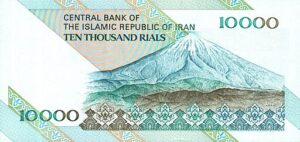
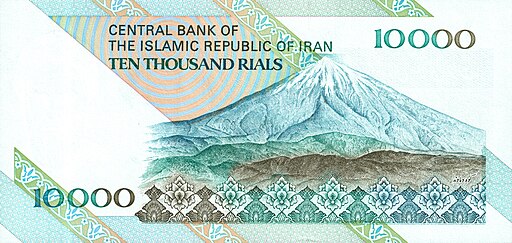
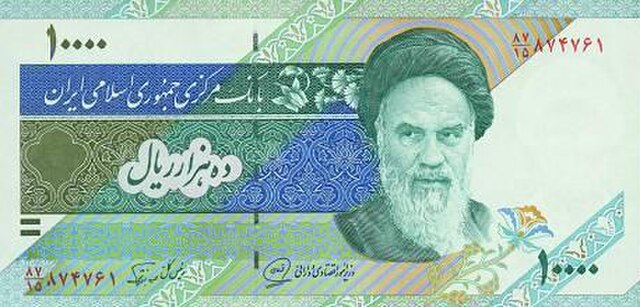
Iran’s parliamentary Economic Commission has formally approved a long-delayed referendum to cut four zeros from the national currency, instituting a new rial that equals 10,000 old rials. The decision, announced on August 3, 2025, marks the first parliamentary approval of its kind since the measure was originally proposed in 2019, only to stall under changes to the Central Bank law in 2023. The reform seeks to simplify accounting and daily transactions in an economy plagued by chronic inflation and currency devaluation. With banknotes now reaching denominations of one million rials, and unofficial but prevalent use of the “toman”(equal to 10 rials), the move is designed to restore clarity and administrative efficiency. The reform is still pending a full vote in the Majles and ratification by the Guardian Council before implementation.
Ayatollah Kazem Seddiqi, Tehran’s interim Friday Prayer Imam since 2009, resigned from his post amid mounting public and political pressure following a high-profile corruption scandal involving his family. The scandal, centered on the deeply discounted sale of religious property tied to Seddiqi’s seminary affiliations, sparked widespread criticism across Iran’s political spectrum, including from within the conservative establishment. His resignation, accepted by Supreme Leader Ayatollah Khamenei, marked a rare retreat from one of the Islamic Republic’s most symbolic platforms and can be interpreted as a response to growing calls for accountability within the clerical elite.
A growing political rift has emerged within the Iranian government as 69 members of the Majles (Parliament) have formally signed a letter demanding a vote of no confidence in Energy Minister Abbas Aliabadi. Cabinet members pushing for his removal are also considering initiating votes to dismiss additional ministers.
The fifth report on the quality of internet connectivity in Iran, published by the Internet and Infrastructure Committee of the Tehran E-Commerce Association, has been released. The report presents a technical assessment based on national performance indicators and expert analysis. Its central finding is that Iran ranks 97th out of 100 assessed countries, placing it among those with the lowest internet quality. The report highlights multiple concerns, including low internet speed, frequent service disruptions, and extensive government filtering and throttling mechanisms. Iran was found to be among the top three countries with the most restricted and interfered-with internet service, ranking just above Cuba and Turkmenistan. According to the study, nearly half of Iran’s internet traffic is subjected to deep packet inspection (DPI), a filtering technique that not only blocks access to content but also degrades the quality of the entire network.
President Masoud Pezeshkian is leading an Iranian diplomatic delegation to Pakistan. Accompanying him are Vice President Reza Aref, Foreign Minister Abbas Araghchi, Defense Minister Nasirzadeh, and other senior officials. On the agenda: military, economic, cultural–religious, and political cooperation. The Pakistani Foreign Minister, Muhammad Ishaq Dar, stated: “We aim to sign trade agreements that will raise the volume of trade between Iran and Pakistan to approximately $10 billion”. President Pezeshkian remarked: “We must deepen our cooperation and advance infrastructure projects such as railways, highways, and public transportation between our two nations”. They also discussed strengthening security measures and combating militant activities along their shared border, in order to promote peace and stability for their citizens.