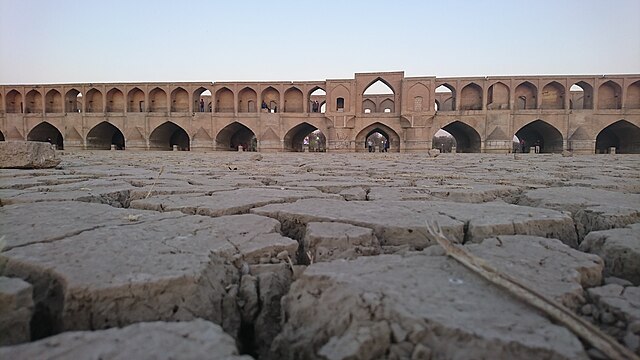
Iran’s water crisis continues to escalate as reservoirs supplying Tehran drop to just 12% of their capacity, far below the usual 60–70% seen in normal years. Mohsen Ardakani, head of Tehran’s Water and Wastewater Company, described the situation as unprecedented in the past century and urged citizens to cut water use by at least 20%. Authorities are reducing water pressure during peak hours and promoting a campaign, called “Every Citizen a Water Ally”, to encourage public cooperation. In parallel, Tehran’s municipality faces criticism for continuing to irrigate green spaces with potable and groundwater.
Ardeshir Mazkouri, CEO of Iran’s Power Grid Management Company, called on the public to reduce electricity consumption as national demand surpassed 77,000 megawatts this week, rising by over 1,000 MW from the previous week due to ongoing extreme heat. He emphasized that ensuring grid stability requires widespread cooperation, particularly during peak hours between 11:00–16:00 and 19:00–22:00. Citizens were urged to follow the “25-degree campaign” by setting air conditioners to 25°C, avoiding simultaneous use of high-consumption appliances, turning off unnecessary devices, using energy-efficient equipment, and shifting heavy usage to off-peak hours. These steps aim to ease pressure on the already struggling power grid and prevent service disruptions.
Iran ordered the closure of government offices and banks across much of the country on Wednesday in response to extreme heat and a worsening water and electricity crisis. With temperatures in Tehran exceeding 40°C and southern cities like Abadan reaching over 50°C, the government aims to reduce stress on the power infrastructure.
Iran is also facing a severe crisis in its healthcare system, with approximately 10,000 to 12,000 newly advertised nursing positions remaining unfilled, despite an estimated 80,000 unemployed nursing graduates. Harsh working conditions, an excessive workload, and delayed payments have led many nurses to leave the profession or emigrate. Over 3,000 nurses emigrate annually, and in the first eight months of the current Iranian year alone, 4,500 medical professionals submitted emigration requests. Nurses report severe staff shortages, violence from patients and their families, and suppression of labor protests. While the system requires three nurses per 1,000 citizens, it currently operates with only half the workforce needed to meet international standards.
Iran and Iraq have expanded support for Arba’een pilgrims ahead of the annual pilgrimage to Karbala, a major center of Shia Islam in Iraq. Free transportation is being offered from the Bashmaq border crossing to the Iraqi city of Sulaymaniyah to ease pressure on busier points such as Mehran. In Najaf, Iraq, a comprehensive health plan has been activated, deploying over 1,700 medical personnel and 110 ambulances, with all provincial hospitals placed on high alert. Worshippers in the Iranian city of Shush uphold the tradition of crossing the Dez River by boat. Pilgrims continue to move across Iraq, many carrying banners with religious slogans.