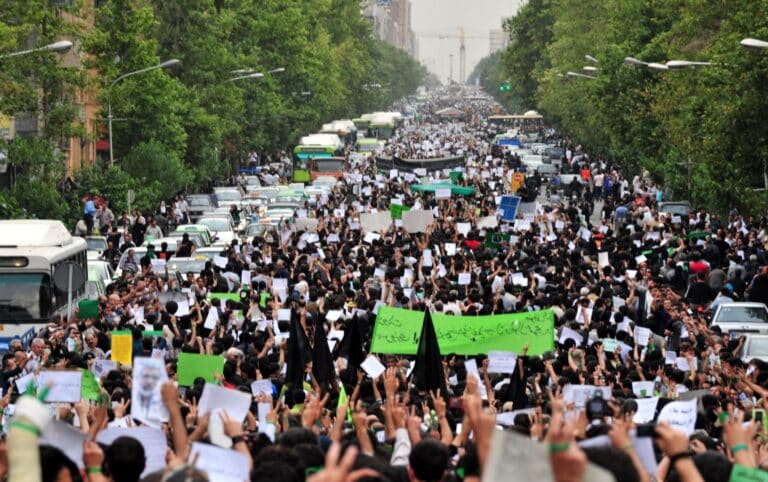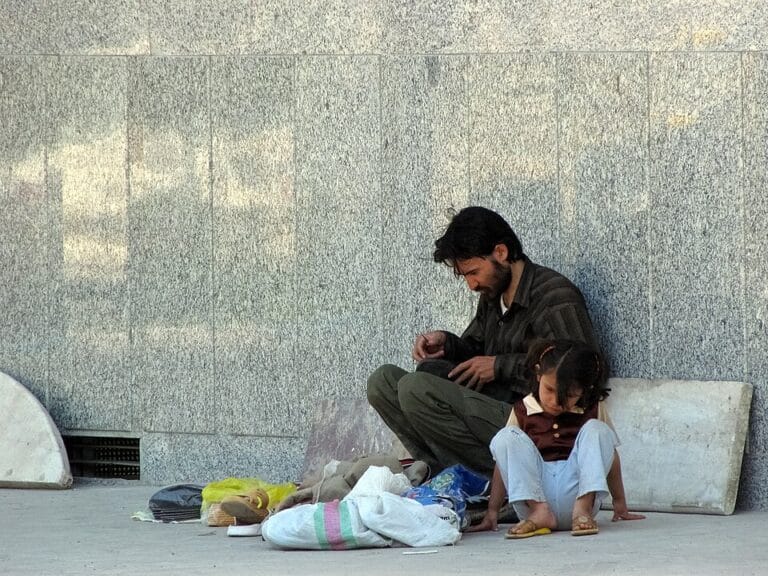
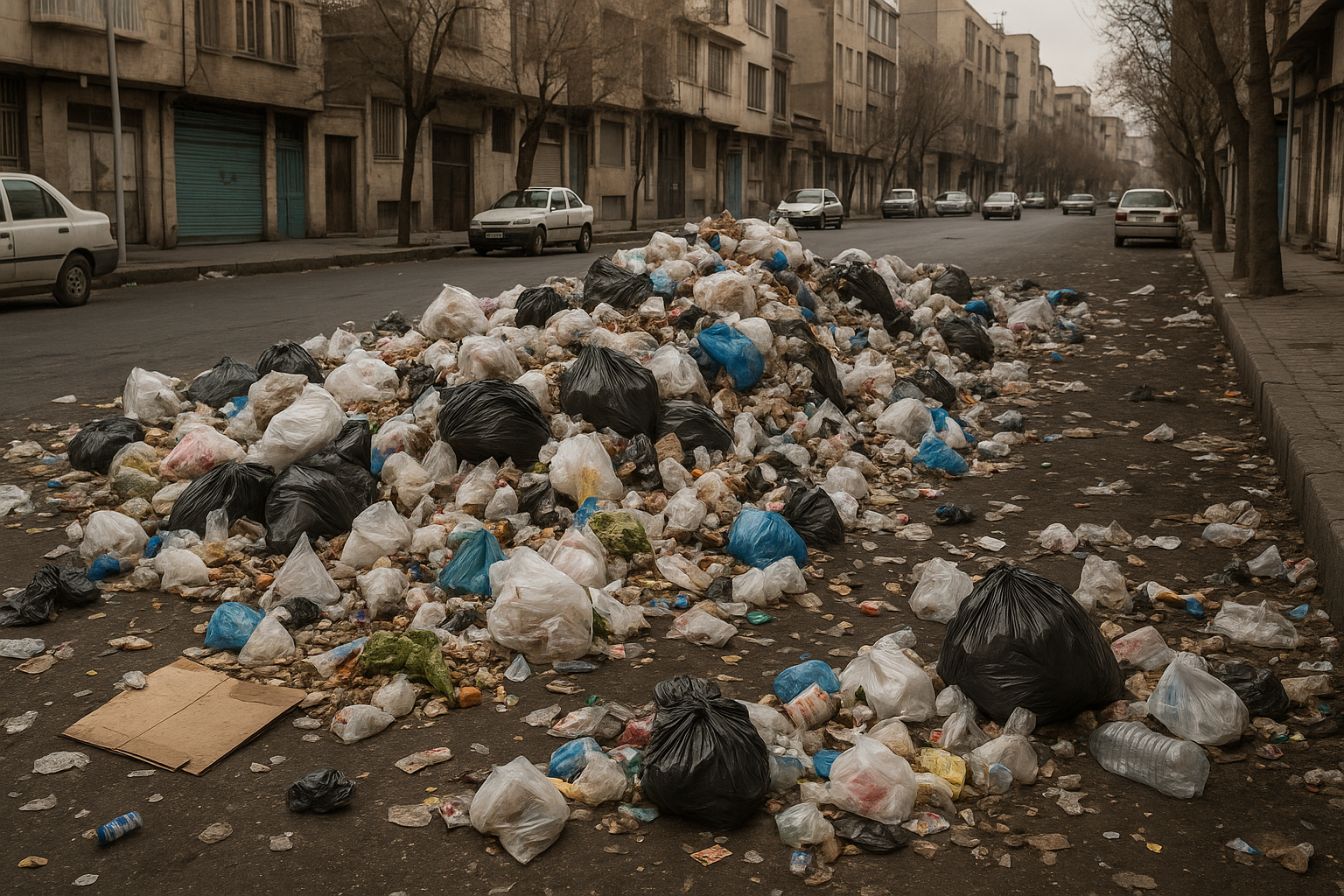
Tehran is facing a severe shortage of garbage collectors following the deportation of over 1.6 million Afghan refugees to Afghanistan in the past year. Mohsen Ghazatlou, CEO of Tehran Municipality’s Waste Management Organization, has announced an urgent recruitment call for 16,000 garbage collectors to address this crisis. The municipality has attempted to recruit Iranian workers, but the response has been minimal, with one region receiving only a single Iranian applicant. Mahdi Chamran, chairman of Tehran City Council, has confirmed that the departure of foreign nationals has significantly impacted the capital’s cleanliness. A local Tehran resident posted on X: “I don’t know about other cities, but Tehran is covered in garbage. The bins are overflowing and there is no news of anyone sweeping the streets”. Experts have criticized the lack of preparatory measures before implementing the repatriation policy, warning that the sudden workforce reduction, with some contractors reporting an 80% reduction in their workforce, could paralyze various sectors of Iran’s economy beyond just waste management. This situation is further complicated by Iran’s infrastructure challenges, evidenced by protests across multiple cities including Babolsar, Fredonkahr, Sabzevar, and Khmam. Citizens are demonstrating against recurring power outages and water scarcity, with local businesses reporting substantial disruptions to their operations.
The International Atomic Energy Agency (IAEA)’s Deputy Director General, Massimo Aparo, visited Tehran and held meetings with senior Iranian officials; however, no access to nuclear sites was granted during his trip. Iran–IAEA relations have grown increasingly complex, marked by Tehran’s resistance to expanded inspections and the agency’s push for greater transparency amid heightened geopolitical tensions and mutual distrust. Iran stated that the upcoming discussions with the agency will be “technical” and “complicated”. Going forward, any form of nuclear oversight or site inspection will require prior approval from Iran‘s Supreme National Security Council, a move that signals tightened restrictions on transparency and further limitations on international monitoring efforts in the aftermath of the 12-day war.
Iran’s defense chief, Ali Larijani, embarked on a high-profile trip to Baghdad where he met with senior Iraqi political and military leaders to discuss a wide range of security and defense issues. The visit culminated in the signing of a memorandum of understanding (MoU) aimed at enhancing border coordination, intelligence sharing, and joint efforts to combat cross-border threats. The agreement is also intended to strengthen overall regional stability by improving military cooperation and ensuring that both nations can respond more effectively to security challenges along their shared frontier. During his meetings, Larijani condemned violence in Gaza and expressing Iran’s support for Palestinians. Local sources in Tehran believe his next destination will be Lebanon, where he is likely to meet with government officials and possibly senior Hezbollah leaders, amid growing Lebanese calls for Hezbollah, the Iran-backed militant group, to disarm.
On Sunday, President Masoud Pezeshkian received the credentials of nine newly appointed ambassadors representing Ethiopia, Estonia, Djibouti, Laos, Cambodia, Burundi, Latvia, Myanmar, and Nepal. He emphasized Iran’s intention to expand cooperation with all countries in political, economic, and cultural fields, stressing that nations should work together to promote peace, stability, prosperity, and welfare for all. He further warned that rebuilding nuclear facilities without engaging in diplomacy, would be futile: “Unless Tehran engages with Washington, there’s little point in rebuilding nuclear sites if they’ll just be bombed again”. On domestic matters, Pezeshkian addressed the ongoing debate over the hijab. He reiterated his personal belief in the hijab but stressed that it should not be enforced through coercion, stating that disputes over the issue “cannot be resolved by force.” Instead, he called for a cultural approach rooted in education and community engagement, arguing that only such methods can ensure lasting societal acceptance.
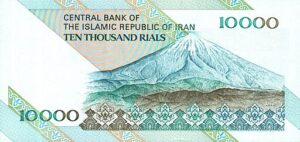
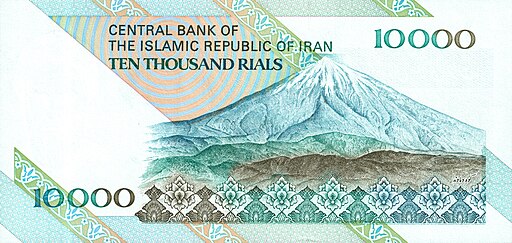
Iran is contending with intertwined economic, housing, and infrastructure pressures. Inflation remains elevated at approximately 38–43%, and the rial has weakened dramatically, trading around 1,000,000 IRR per USD in early 2025. In the housing sector, prices have surged, with a 1,700% increase from March 2019 to August 2025, deepening concerns about housing affordability and prompting warnings against treating housing as an investment. Iran’s housing market faces sharp rent increases, up to 1.5 billion tomans for 90–110 m² units in some areas. Former Mayor Pirouz Hanachi has stated that municipalities have at times sold extra building density and altered urban plans to cover budget gaps. Meanwhile, low reservoir levels and extreme heatwaves are straining infrastructure, causing water shortages and extended power outages. Reservoirs supplying the capital are severely depleted, recent analyses estimate their levels at just 13–14% capacity, with some dams nearly empty (e.g., Lar at ~1%).